LIPAS
Liveness & Physical Authorization System
This document relates to a separate research initiative (LIPAS).
It is provided for transparency only and does not represent
a commercial, medical, or financial system.
Redirecting…
Liveness & Physical Authorization System
LIPAS is a research initiative focused on real-time, liveness-based authorization using physical and environmental signals. It does not rely on stored credentials or reusable secrets.
LIPAS is a liveness-based physical authorization system designed to evaluate trust at the exact moment of decision. Unlike traditional security models, LIPAS does not rely on stored identities, reusable credentials, or persistent authorization states.
Authorization within LIPAS exists only during an active evaluation window. Once the decision is produced, all intermediate signals and internal states are discarded.
LIPAS continuously verifies biological presence using real-time liveness indicators. Authorization is evaluated only while physiological signals confirm the presence of a living subject. Loss of liveness immediately terminates the process.
During the authorization window, LIPAS evaluates physiological response patterns associated with stress, coercion, or abnormal decision-making conditions. These parameters are used solely for integrity assessment and are never stored or transmitted.
LIPAS may incorporate cardiovascular system dynamics as a moment-bound, person-specific authorization signature. This signature is valid only within the active evaluation window and cannot be replayed, copied, or reconstructed.
The system monitors the surrounding electromagnetic environment for anomalies indicative of interference, manipulation, or signal injection attempts. Detection of abnormal electromagnetic conditions immediately forces LIPAS into an inactive safe state.
To address potential micro-scale or nano-level intervention risks, LIPAS evaluates micro-pressure changes, micro-contact patterns, and unexpected physical interactions. Any detected anomaly results in immediate termination and transition to a non-responsive safe state.
LIPAS produces only an authorization decision. It does not emit identity data, biometric records, physiological measurements, or environmental telemetry. No reusable artifact is generated.
During operation, LIPAS does not engage in bidirectional communication with external systems. The system neither negotiates nor adapts its behavior based on external commands or stimuli.
Any detected anomaly results in interruption — not compromise.
Traditional security systems depend on stored secrets, identities, or credentials that remain valid beyond the moment of use. LIPAS eliminates this persistence entirely.
Authorization in LIPAS is not something a user possesses. It is something that momentarily exists — and then disappears.
By binding trust to real-time physical and physiological conditions, LIPAS prevents replay attacks, coercion-based authorization, and post-compromise reuse scenarios.
LIPAS is designed under the assumption that networks, environments, and external systems may already be compromised. The threat model includes hostile physical conditions, electromagnetic interference, and advanced adversarial capabilities.
The system does not attempt to survive compromise. Instead, it prioritizes immediate interruption and safe inactivation.
Any detected anomaly — biological, physiological, physical, or electromagnetic — results in termination without escalation, fallback, or degraded operation.
Attacks result in interruption, not data leakage or silent failure.
The following video is a conceptual visualization of LIPAS. It is provided for research and explanatory purposes only.
This visualization does not represent an operational system, commercial service, or deployed infrastructure.
LIPAS does not store identities, biometric templates, or authorization tokens. Trust exists only during active verification.
LIPAS assumes hostile networks, compromised devices, and advanced threat actors by default.
Any anomaly results in interruption — not compromise.
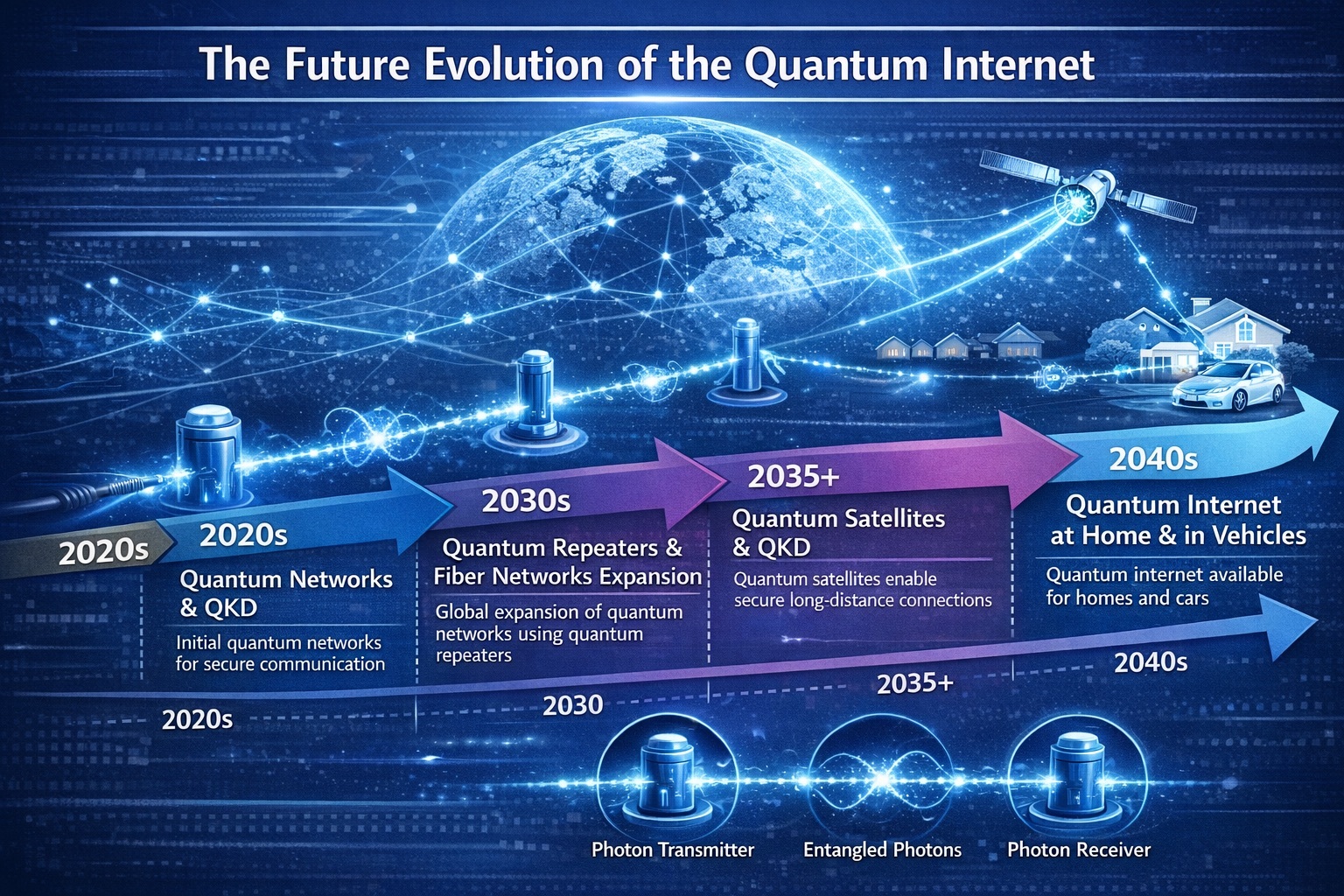
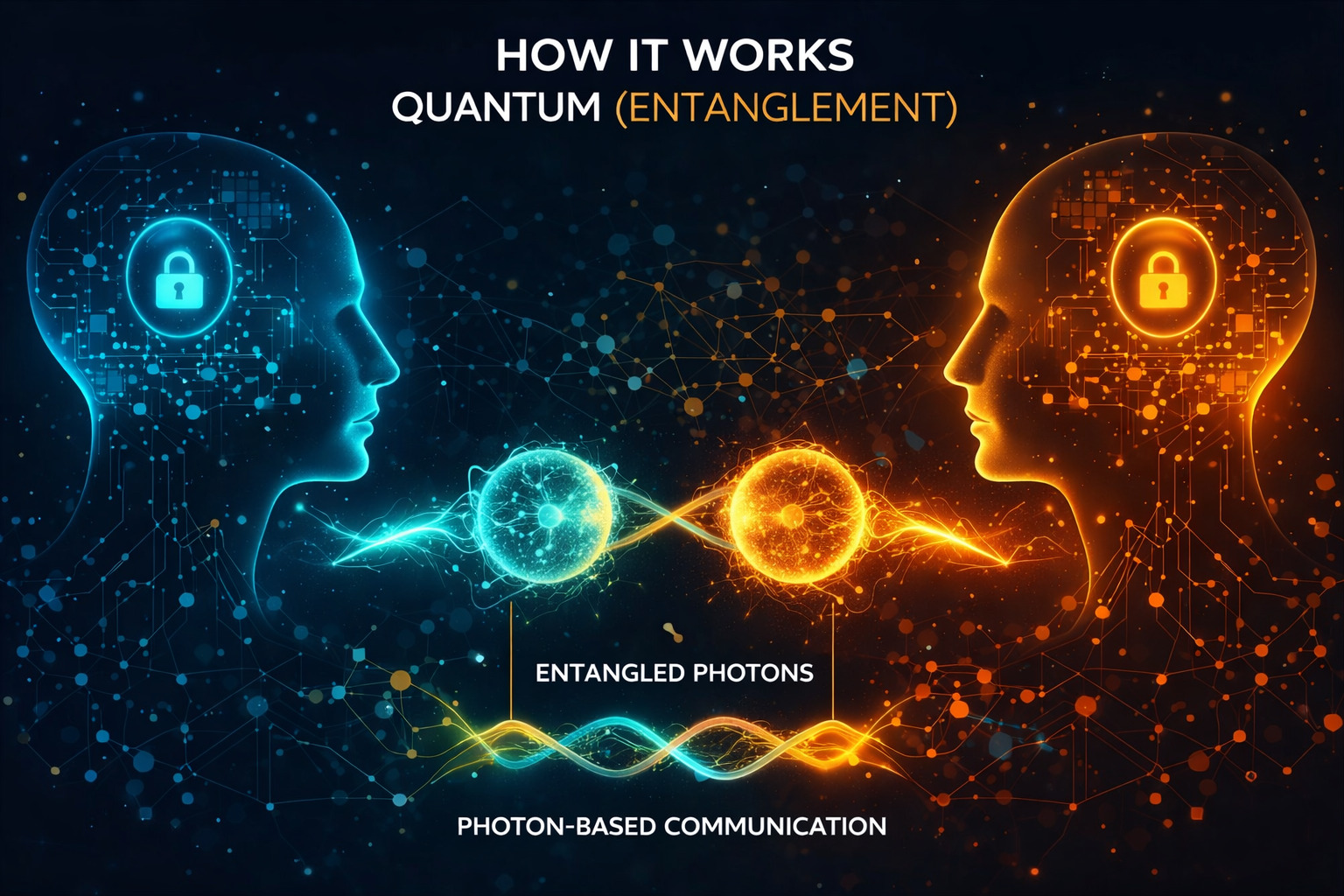
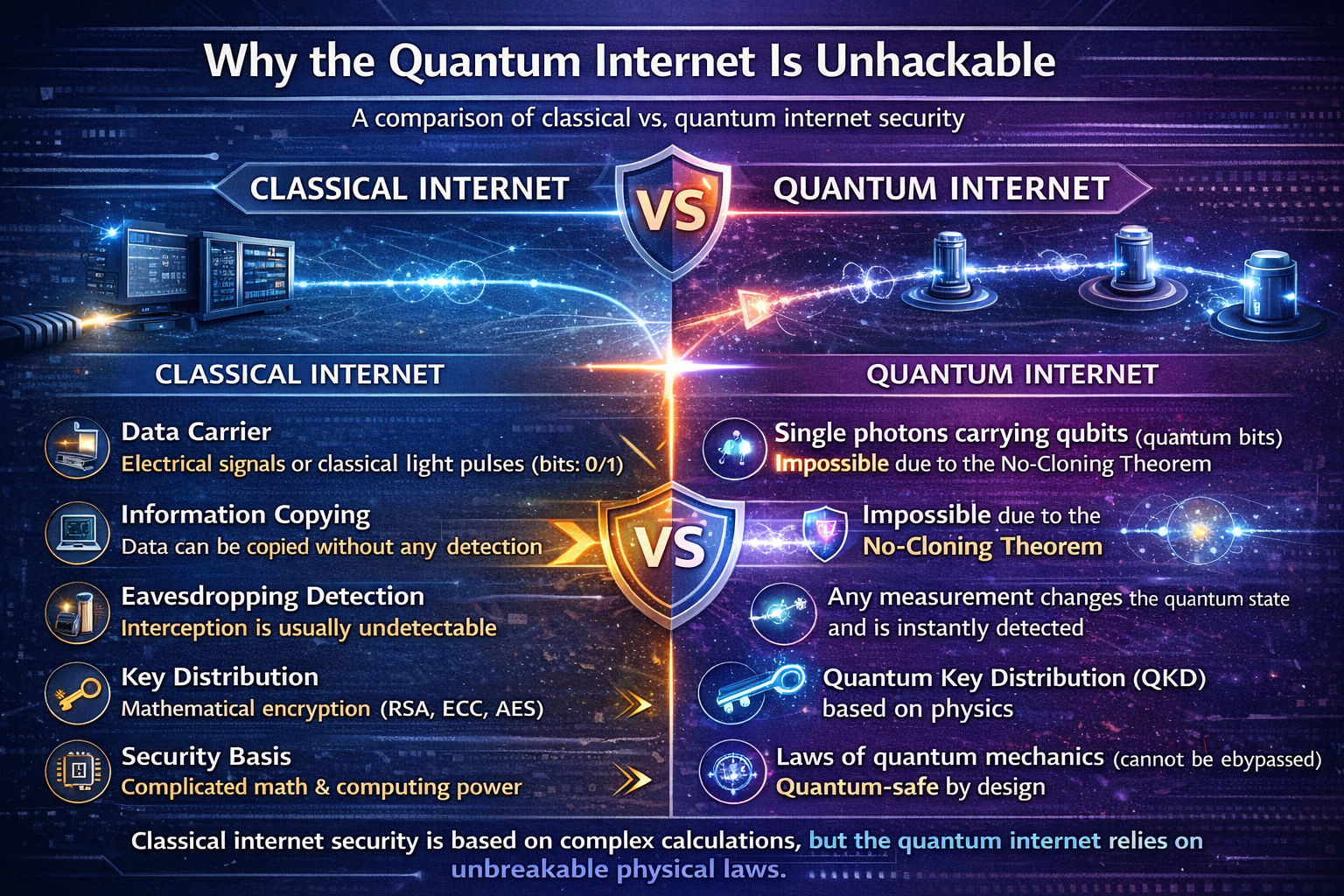
QUPAY illustrates how LIPAS authorization may enable interaction inside QUNET. It is not a payment system.
All materials are provided strictly for research and transparency.
LIPAS is conceptually aligned with the broader QUNET research framework.
⚠️ You are about to visit an external research website (qunettoken.com).
⚖️ Patent Notice: Concepts, architectures, and terminology presented on this website are part of an ongoing research initiative and may be subject to patent applications or intellectual property protection. Public disclosure on this site does not grant usage rights.